
Black Friday is won all year: how paid and organic feed each other
By Janie, Creative Strategist at Pearmill
When people ask how we pull off Black Friday, they want a November answer. Some secret weapon we unveil the week before Thanksgiving like it's a Marvel post-credits scene. The real answer is way less cinematic: we start in January. Not because we're storyboarding snowman ads in the dead of winter (we're not monsters), but because every test we run all year, on every channel, is quietly building the creative we'll scale on Black Friday. Paid, organic, and email aren't separate lanes for us. They're one loop that keeps feeding itself, like a marketing ouroboros, except it actually makes money instead of just looking cool on a whiteboard.
The expensive way vs. the efficient way
Here's the trap most brands fall into. A brand we work with (a higher-priced 3D printer for kids) used to only run paid in Q3 and Q4. Nothing in the first half of the year. No lifecycle, no organic, no testing. Just radio silence, then a starting gun in July.
So every single Q4, they were starting cold. Paying to relearn what works at the exact moment auction prices are at their most brutal. That's the equivalent of studying for the final during the final. Genuinely the most expensive possible time to be figuring things out.
So we flipped it. We spend the first half of the year running small, cheap tests across channels, so by the time Q4 shows up, we already know our winners. Last year, all of our non-peak paid testing came to around $10K for the entire year. That's less than what some brands spend on Q4 creative shoots alone, and it's a big part of what made a $1M Black Friday possible. We didn't even spend up to our budget cap to get there. Efficiency isn't a nice-to-have here, it's the whole plan.
The loop: email teaches, paid confirms, organic keeps a pulse
This is the part people ask about most, so let me actually show you how the channels talk to each other, because it's less "integrated marketing synergy" and more "everybody's texting in the same group chat."
Email and SMS are where we learn fastest. Cheap, immediate, brutally honest. We can launch an A/B in a day and have a read by the next. So a lot of our messaging tests start there, because nothing humbles a clever subject line like actual open rates.
When something wins in email, we push it into paid to see if it holds up in front of a colder audience that has never met us and owes us nothing. If it wins there too, we know it's real, not just a fluke with our warmest, most forgiving fans.
Organic is our early-warning system for formats and angles. It tells us what people are actually responding to right now, not what we think is clever in a Monday brainstorm. The best organic (especially UGC) gets whitelisted straight into paid so it keeps working, now with a budget behind it instead of just vibes.
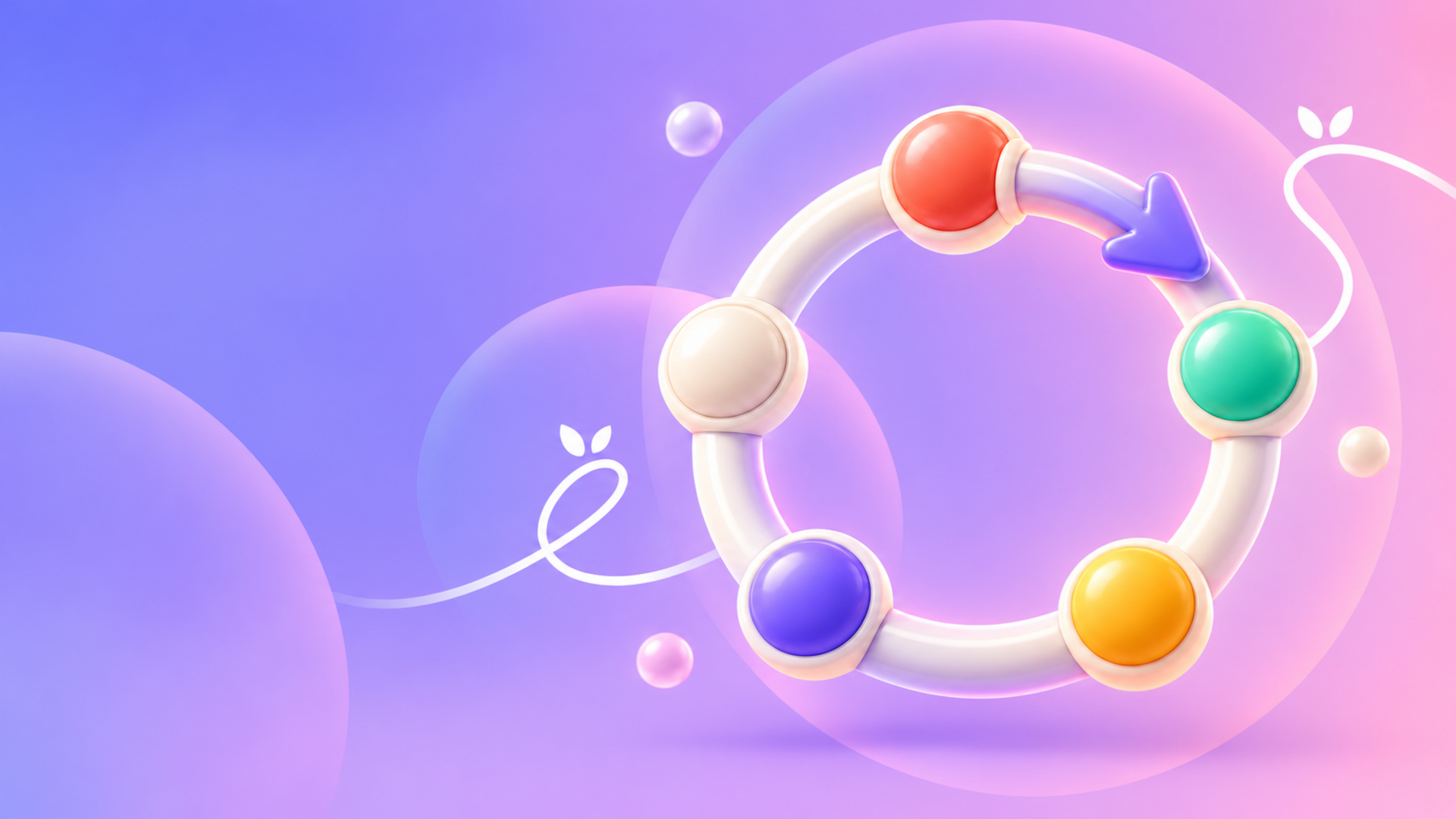
Then it loops back around: proven winners become our retargeting creative in email, and the cycle starts again with the next idea. Email into ads, ads into organic, organic back into email. Every channel makes the next one smarter, and none of them have to find out the hard way in November.
.png)
The crossovers I love
Honestly, this is my favorite part of the job. You can watch the handoffs happen in real time.
- Headlines. We tested "America's favorite 3D printer for kids" against "...for families" across ads and email at the same time — with “…for families” pulling ahead. Right now, the new iteration of "…for beginners" is quietly winning, so that's the version heading into email next. One test, two channels, one answer, zero committee meetings required.
- Urgency. "Tonight" vs. "Last Chance." We ran that one in email five times, including on Prime Day, before it ever touched a paid ad. By the time it hit paid, it wasn't a guess. It was basically a sure thing wearing a disguise.
- Design. We A/B'd a full-white email against a full-red one, and pitted our own brand-led email against an Amazon-Prime-styled one for Prime Day. The Prime-led version won, which told us something real about where people's heads actually are during a platform sale (hint: not thinking about our brand colors). That kind of insight shapes creative everywhere, not just that one email.
- The hero rule. One of our biggest, most annoyingly obvious-in-hindsight learnings: the product has to be the hero of the image. An ad showing only the printed toy (a Scooby-Doo mock-up, RIP) fell flat. We double-checked ourselves by re-testing with Powerpuff Girls, and, same result. Now "show the printer" is a hard rule across paid and organic. No exceptions, no matter how cute the toy is.
Every one of these started as a tiny test on a single channel and graduated into a truth we apply everywhere. That's the whole game.
.png)
Why this makes Black Friday cheaper
By running roughly one test round a month through the first half of the year, we walked into last Black Friday with six verified winners already locked and loaded. Six things we already knew worked, no crossed fingers required. So when the budget opened up, we weren't gambling. We were pouring fuel on fires we'd already lit and watched burn successfully.
.png)
That's the efficiency story in one line: a cold Q4 means paying premium prices to discover what works, in the exact week everyone else is also panic-testing. A warm Q4 means you spend on scaling what you've already proven. It's the difference between finding your winners in November under pressure and just turning the dial up on ones you found in March with plenty of time to spare.
It doesn't stop at the weekend
Here's where a lot of brands leave money on the table: they treat Black Friday like the finish line instead of the handoff.
While Black Friday is still live, we're already building Christmas content for the push to January 1. We bring back the UGC creators who performed all year for quick-turn gifting content ("order now, get it by Christmas": the four scariest words in ecommerce logistics), and we use AI to reskin our proven static winners with holiday visuals, like adding ornament prints, so we're refreshing what already works instead of rebuilding from zero at the worst possible time.
Last year, the email and SMS engine we'd been feeding all year was so strong that we sold out of printers before Christmas. Not because of a last-minute miracle, but because the audience we spent all year warming up was the same audience that carried us through December and handed us a running start on next year.
The takeaway
Black Friday isn't a campaign you build in the fall. It's the payoff from a loop you've been running since January, whether you noticed it or not. Keep paid, organic, and lifecycle actually talking to each other, let the cheap, fast channels teach the expensive ones, and by the time the biggest weekend of the year rolls around, you're not guessing. You already know exactly what works. That's how you make it bigger and cheaper at the same time, and how you stop dreading Q4 like it's a pop quiz.


Related Article

80% of your Black Friday creative should already exist
Related Article

The Problem With Most SaaS Ads

The author
.jpg)


.svg)


